
What to include in your letter?
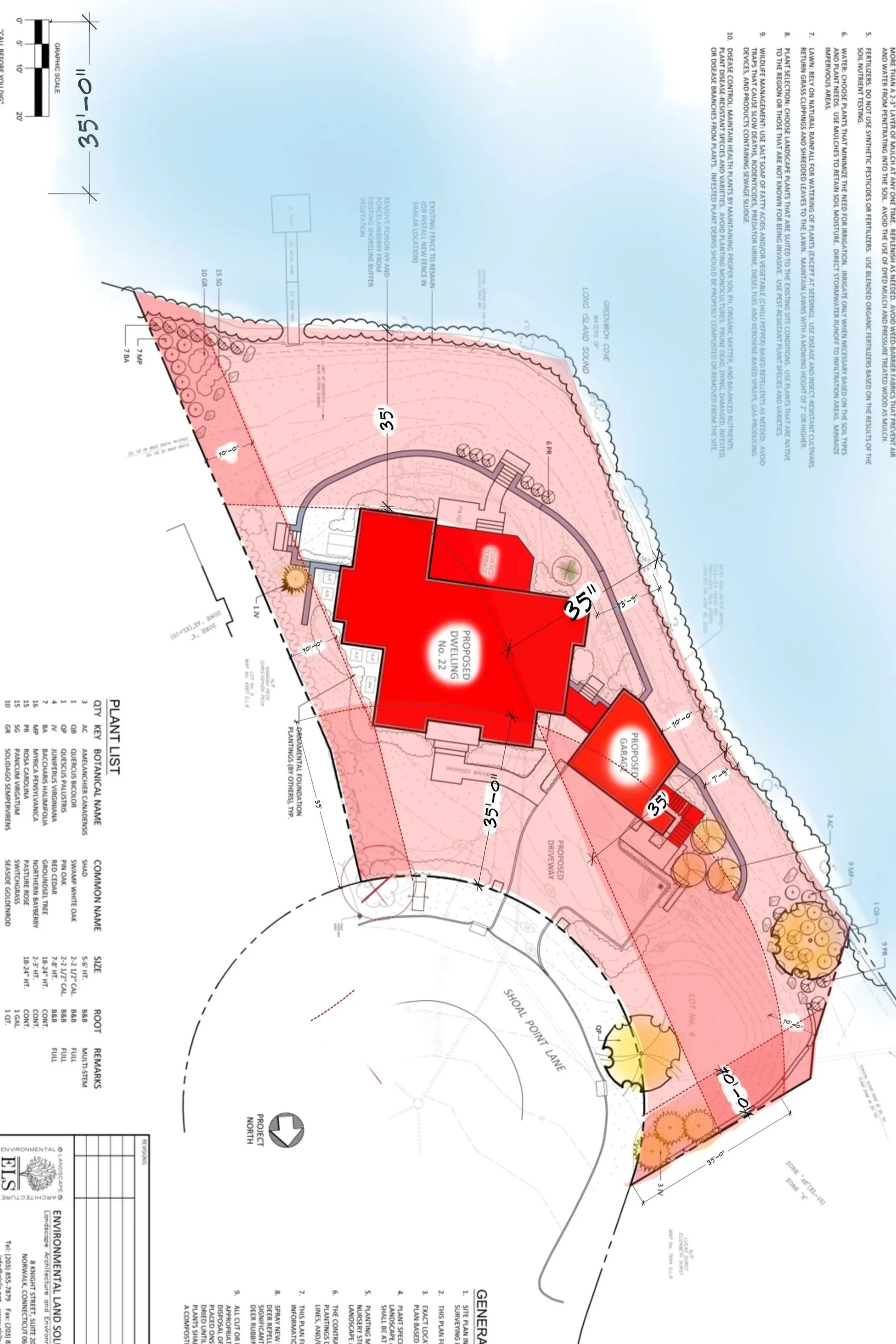
We believe that urging P&Z to treat the entire waterfront boundary as the rear lot line is the most critical element of this argument.
In the image shown, the areas shaded in red illustrate the portions of the lot that would be protected from compliant development if the full waterfront boundary is subject to the required 35-foot rear yard setback. This would effectively require a scale back of the project and - most importantly - a retreat from the water (unless they wish to apply for variances, in which case, we will be ready).
You will need a formal letter of opposition to Planning & Zoning, arguing that the entire waterfront boundary of 22 Shoalpoint Lane should be classified as a rear lot line and therefore subject to the 35-foot rear yard setback, consistent with neighboring waterfront properties.
The letter may incorporate some or all of the following arguments:
The neighboring property at 21 Shoalpoint Lane was held to the same rear-yard setback requirements, despite having an even more irregular and angled waterfront boundary.
The shape of the subject lot closely mirrors examples used in the Greenwich Planning & Zoning Code to illustrate curved front and rear lot lines, reinforcing that the waterfront boundary functions as a rear lot line.
Other nearby waterfront developments—particularly recent ones—were required to comply with the same setback standards, establishing a clear and consistent precedent.
The few developments that were allowed to encroach closer to the water have become sources of widespread community opposition, as they intrude on protected wetlands and diminish light, air, and open views along the waterfront. This proposal would have the same negative impacts.
Setback requirements exist to protect natural resources, neighborhood character, and public welfare; failing to enforce them here undermines the very purpose of the zoning code.
Allowing construction so close to the water sets a dangerous precedent, as seen at 14 South End Court in Old Greenwich, where profit-driven development was permitted to encroach on sensitive wetland areas to the detriment of the surrounding community.
Property owners should not be permitted to selectively designate which boundaries qualify as front, side, or rear lot lines—particularly when Planning & Zoning regulations provide clear guidance for such determinations.
With water levels projected to continue rising, permitting development in such close proximity to the shoreline is reckless and short-sighted, increasing environmental risk and future vulnerability.
Further, we believe this proposal reflects a classic case of outsized, dollar-hungry, waterfront development- that the P&Z and CAM exist to prevent, not facilitate.
You will need a formal letter of opposition to Planning & Zoning addressing the oversized, out-of-scale, and profit-driven nature of the proposed development at 22 Shoalpoint Lane,
The letter may include some or all of the following points:
Frame the proposal as a profit-maximizing waterfront development, where each additional square foot is treated as carrying a “waterfront premium,” with seemingly zero regard for the impacts on neighboring properties and the broader community.
State that there is strong reason to believe the residence is being constructed for resale, and that long-term neighborhood relationships and impacts are not a meaningful consideration for the developers.
You may cite 14 South End Court in Old Greenwich as a relevant precedent, where an oversized, encroaching, waterfront structure was approved, permanently altering the neighborhood, while the developer is allowed to exit with coffers full, facing none of the fallout.
Emphasize the absence of local precedent for the proposed structures, noting that:
There are no detached garages located anywhere near the water on surrounding properties.
There are absolutely no two-story accessory buildings anywhere near the water on any neighboring waterfront lots.
There are no large-scale accessory structures positioned within close proximity—particularly within ten feet—of the shoreline.
Explain that the lot could have been preserved as open green space, maintaining unobstructed public views of an iconic tidal waterway, but for the fact that the current owners discouraged a collective neighborhood effort to purchase the property.
Reference the owners’ initial representation that they intended to build only a “small retirement cottage,” which neighbors accepted in good faith, relying on the assumption that zoning and setback regulations would be enforced.
This history demonstrates the neighborhood’s openness to reasonable, code-compliant development, while affirming a clear and principled opposition to any development that exceeds the legal and equitable limits established by Greenwich Zoning regulations.
Finally, and most importantly, why does this project matter to you personally?
Your letter must convey your personal and unique situation as it pertains to the preservation 22 Shoal Point Lane.
The letter may include some or all of the following points:
Proximity to the site
Living adjacent to or directly across from 22 Shoalpoint Lane
Regularly passing the property by foot, bike, or boat
Direct views of the lot or waterway from your home
Impact on daily life
Enjoyment of natural light, open space, and water views that would be diminished
Use of the waterway for walking, kayaking, paddleboarding, or observing wildlife
Quiet enjoyment of the area that would be disrupted by increased mass, height, or activity
Environmental and ecological concerns
Personal appreciation for the wetlands, tidal flow, and native vegetation
Observations of regular flooding, erosion, or storm surge in the area
Concern for long-term environmental resilience as water levels continue to rise
Community and neighborhood character
Longstanding relationship with neighbors and shared stewardship of the waterfront
Desire to preserve the scale and character of Shoalpoint Lane and surrounding cul-de-sacs
Concern that approving this project would change expectations for future development
Equity and fairness
Belief that zoning and setback rules should apply equally to all property owners
Concern that allowing exceptions here undermines trust in Planning & Zoning
Personal investment in complying with zoning regulations on your own property
Reliance on past representations
Acceptance of prior assurances that only a modest, code-compliant structure would be built
Decisions made—personal, financial, or emotional—based on the expectation that zoning laws would be enforced
Future impacts
Worry about how this approval would affect children, future homeowners, or aging residents
Concern that precedent-setting approvals will permanently alter the waterfront
Desire to preserve the area for future generations
Emotional connection
Personal attachment to the waterway as a place of peace, beauty, and continuity
Pride in the neighborhood’s natural setting and history
Sense of responsibility to speak up when that character is threatened
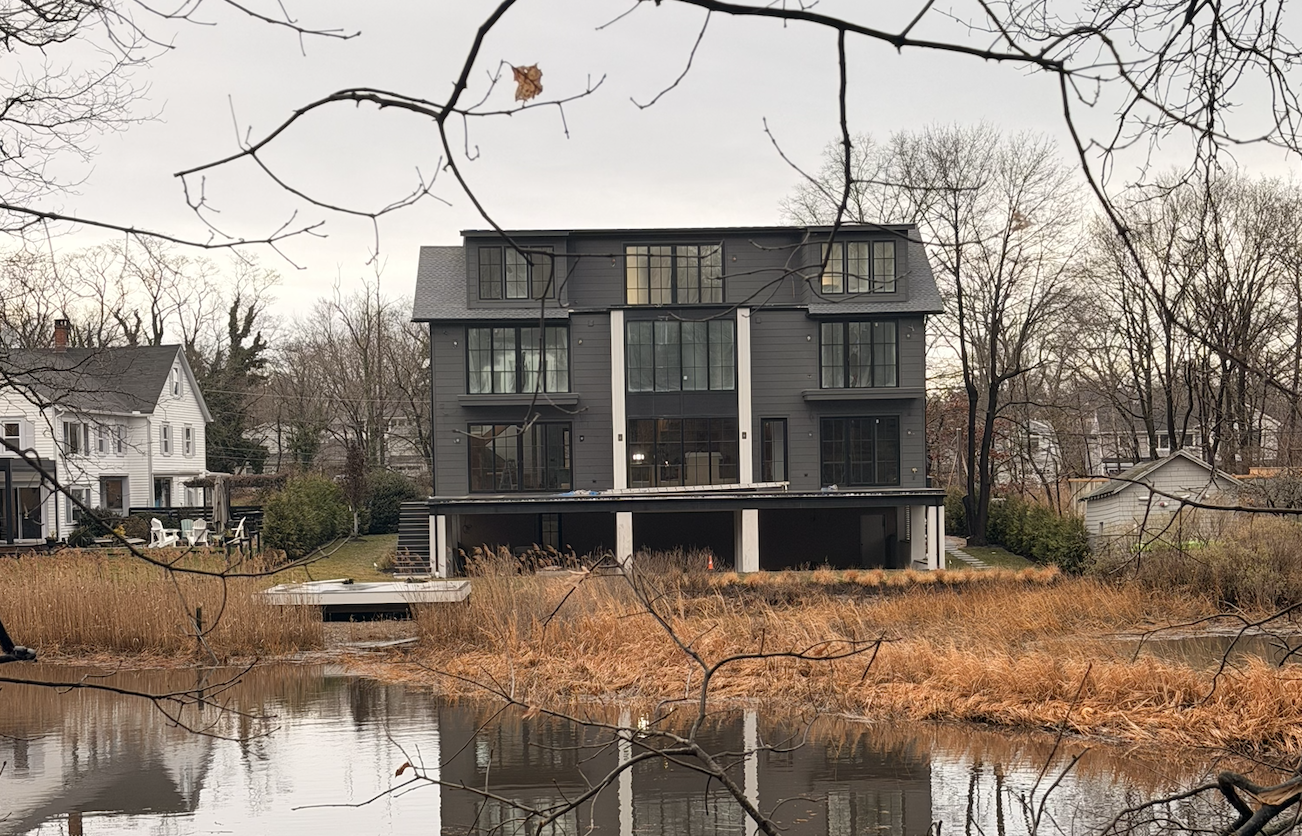
Baby deer come to visit 22 SPL